The Role of AI Body-Worn Cameras in Modern Security and Public Safety
Published Updated
Body-worn cameras record interactions from the wearer's point of view, give supervisors visibility and preserve evidence for investigations. AI-enabled systems can also start recording automatically when they detect an event such as a foot pursuit or a fall.
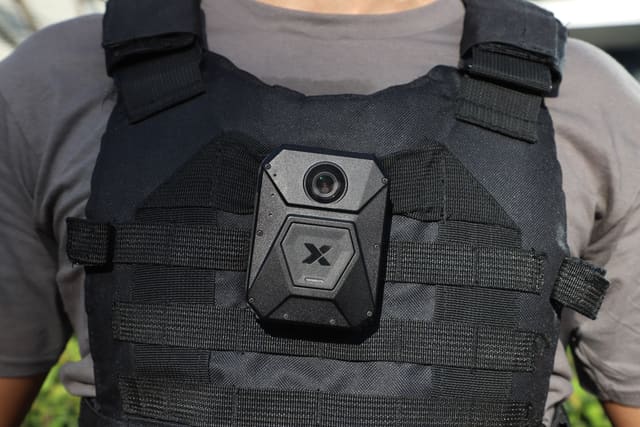
Frontline workers often deal with situations where clear communication, quick decisions and reliable evidence are essential. Security officers, law enforcement personnel and emergency response teams may face challenging incidents while working in public spaces, industrial sites or remote locations.
In these situations, body-worn cameras can provide valuable support. They help record interactions, improve visibility for supervisors and preserve information that may be needed during an investigation.
As organisations look for better ways to protect their teams and manage incidents, body-worn cameras in South Africa have become an important topic for businesses and public safety organisations exploring modern security technology. At Script Technologies, we provide advanced AI body-worn camera systems to support these needs.
What are body-worn cameras?
Body-worn cameras are compact recording devices worn on a uniform, vest or other suitable mounting point. They capture video and audio from the wearer's point of view, creating a record of events as they happen.
Modern cameras offer more than basic recording. Depending on the system, they may include GPS location tracking, live video streaming, emergency activation, secure footage storage and integration with control room platforms. Some AI-enabled cameras can also start recording automatically when they detect an event, such as a foot pursuit or a fall, with footage from moments before the event already buffered. Our body-worn cameras also have SOS functionality.
These features help organisations connect frontline personnel with supervisors and provide a clearer understanding of incidents.
Why are body-worn cameras important in South Africa?
South African organisations operate across a wide range of environments, from busy urban areas to mines, transport facilities and large commercial properties. Frontline teams may need to respond to disputes, safety concerns, public incidents and emergencies.
Body-worn cameras can support these operations in several ways.
1. Protecting frontline personnel
Recording interactions can help provide an objective account of what happened during an incident. This may assist supervisors when reviewing complaints, misunderstandings or disputes involving employees and members of the public.
Cameras can also support staff working alone or in challenging environments when connected to emergency communication systems.
2. Improving accountability and transparency
Video footage provides additional information for reviewing frontline activities. Managers can examine recorded incidents, understand what happened and identify opportunities to improve procedures or training.
When used with clear recording policies, body-worn cameras can help encourage professional conduct and build trust between organisations and the communities they serve.
3. Supporting investigations
Reliable video evidence can help investigators understand the sequence of events during an incident. Recorded footage may support internal investigations, insurance assessments or other formal processes.
Secure evidence management is important. Organisations should use systems that protect recordings from unauthorised access and maintain appropriate records of who views or exports footage.
Key features to look for in body-worn cameras
Choosing the right camera involves more than comparing recording quality. Organisations should consider how the technology will perform during everyday operations.
Important features include:
- High-quality recording: Clear video and audio help capture important details.
- Live video streaming: Supervisors can view developing incidents remotely when connectivity is available.
- GPS tracking: Camera location can help provide context about where an event occurred.
- Emergency activation: SOS functions can alert control rooms when personnel need assistance.
- Pre-event recording: Buffered footage may capture moments before the camera is manually activated.
- AI-powered automatic recording: On-device AI can trigger recording when it detects events like running, a fall or a holster draw, without the wearer needing to activate the camera.
- Secure storage: Encryption and access controls help protect sensitive recordings.
- Reliable battery life: Cameras should support the operational shift without frequent interruptions.
- AI-assisted evidence review: AI-enabled capabilities can flag key moments and speed up footage review, reducing the time investigators and supervisors spend searching through video.
For organisations managing multiple teams, docking stations and centralised evidence platforms can also simplify charging, footage transfer and review.
Who can benefit from body-worn cameras?
Body-worn camera technology can support a variety of industries in South Africa.
Private security companies can use cameras during patrols, access control and incident response. The recorded footage can be used for real-time response as well as retrospective incident investigation and training. Emergency medical services can document frontline interactions and improve communication with control rooms.
Municipal enforcement teams and law enforcement personnel may use recorded footage to support investigations and incident reviews. Mining, transport and industrial organisations can also consider cameras for operational safety and documenting incidents in demanding environments.
The most effective deployment depends on the risks, responsibilities and working conditions of each organisation.
Choosing the right body-worn camera solution
When evaluating body-worn cameras in South Africa, businesses should consider the complete system rather than the camera alone.
A suitable solution should combine dependable hardware, secure evidence management, practical mounting options and reliable technical support. AI-assisted features, such as automatic event detection and faster evidence review, are also worth considering for organisations managing large volumes of footage. It should also integrate with existing communication or incident management systems where required.
Organisations need clear policies covering when recording begins, how footage is stored, who can access it and how long it is retained. Privacy, consent and applicable legal requirements should be considered before deployment.
Script Technologies provides connected body-worn camera solutions designed to support frontline visibility, secure evidence handling and operational coordination.
With the right body-worn camera solution, organisations in South Africa can enhance safety, accountability and investigations across their operations. To discuss how AI-enabled cameras can support an organisation's specific needs, contact the Script Technologies team today.
Explore the AI Body-Worn Cameras solution to learn how our connected camera technology can empower frontline teams.
Frequently asked questions
What are body-worn cameras used for?
They record video and audio from a person's perspective to support safety, accountability, incident reviews and evidence collection.
Can body-worn cameras stream live video?
Yes. Compatible cameras can stream live footage to authorised control rooms when network connectivity and system configuration allow.
Are body-worn cameras suitable for private security companies?
Yes. They can support patrols, incident documentation, staff protection and communication between security officers and supervisors.
What should businesses consider before installing body-worn cameras?
Businesses should evaluate recording quality, battery life, connectivity, secure storage, evidence management, privacy requirements and integration with existing systems.