Huge, complex sites
Items are spread across pits, plants, workshops and underground areas.
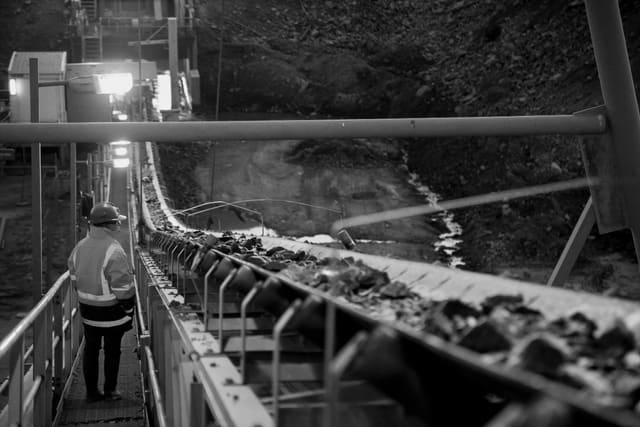
Keep track of tools and mobile equipment across a constantly changing operation.
Overview
On a large mine, tools and equipment are spread across pits, workshops, plant areas and underground sections. Asset tracking shows where each item is and who last had it, cutting search time, losses and downtime.
Mines depend on thousands of items, from torque wrenches and gas detectors to generators, pumps and light vehicles. Items are moved between sections and shifts, borrowed by contractors and left at the last job. When something cannot be found, work stops or a replacement is bought. Inventory counts are slow and often wrong. Combining BLE tags for tools, RFID for issue and return, and GPS for vehicles and mobile plant gives the mine one view of its assets across surface and underground areas.
A maintenance team on night shift needs a calibrated gas detector before entering a confined space. The store's system shows the detector was issued to a contractor team on day shift and is now detected in the north workshop. The supervisor collects it, and it is checked out to the night-shift artisan with an RFID scan. Later, a generator due for service is located on the GPS map at a remote pumping station. At month end, the asset report shows three items not detected for 30 days, which are investigated as possible losses.
The challenge
Items are spread across pits, plants, workshops and underground areas.
Tools and equipment move between shifts, sections and contractors.
Manual stocktakes take days and are quickly out of date.
Missing items stop work and lead to unnecessary purchases.
Operational flow
01
Use BLE for tools, RFID for issue and return, and GPS for vehicles and mobile plant.
02
Scan items out and in, linked to the person and the job.
03
See the last known position of every asset on a map or by zone.
04
Flag items not returned, outside their area or not detected for a set period.
05
Utilisation, losses and service status are reported by site and section.
What operations can see
Operational impact
Who it's for
Find tools and equipment across large and complex sites.
Locate equipment for servicing and keep calibration records.
Control issue, return and losses across shifts and contractors.
Account for their own equipment on client sites.
Insight
Asset tracking gives the mine control over equipment it already owns. Search time falls, losses are investigated early, servicing happens on schedule and purchases are based on real need. The same data supports safety, because critical safety equipment can be located and verified quickly.
This use case is particularly relevant to Mining environments, but the underlying operating model can also apply wherever distributed frontline teams, vehicles, assets or facilities need stronger visibility and accountability.
FAQ
It depends on the asset and area. BLE suits tools and small equipment, RFID suits issue and return points, and GPS suits vehicles and mobile plant on surface. Underground tracking uses gateways on the mine network.
Yes, with BLE or RFID readers connected to the underground network. Items are detected by zone as they pass gateways.
Every item is linked to the person who issued it and its last detected location, and alerts flag items not returned or not seen for a set period.
Yes. Service dates and calibration records are linked to each asset, and due items can be located quickly.

Tell us how your operation runs today and we'll show you what this looks like for your teams.