Hard to report
Staff do not know who to tell or how.
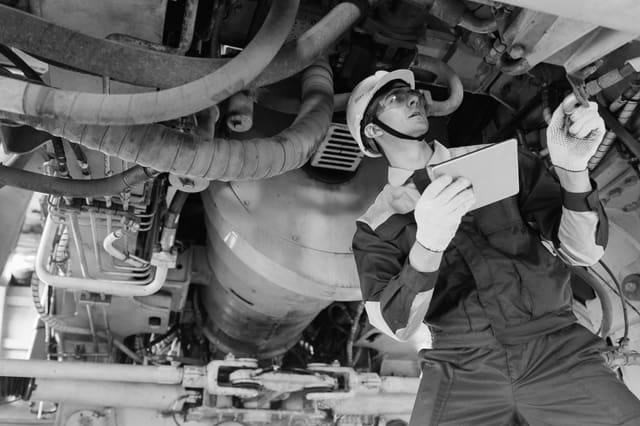
Make a frontline maintenance request visible until someone closes it.
Overview
Frontline staff spot maintenance issues every day, but many never get reported because reporting is too slow or nobody follows up. A simple maintenance request system lets anyone report an issue in seconds and turns it into a tracked work order.
Maintenance requests often arrive through phone calls, emails and conversations in the corridor. They are easy to forget, hard to prioritise and impossible to track. Staff stop reporting issues because nothing seems to happen. A mobile request form, or a QR code on an asset or room, makes reporting quick. Each request becomes a work order with a priority and owner, and the person who reported it can see progress.
A cleaner in an office building notices a leaking tap in a bathroom. She scans the QR code on the door with her phone, selects "plumbing", takes a photo and submits. The facilities coordinator receives the request, sets it as medium priority and assigns it to the in-house plumber. The plumber fixes the tap that afternoon and closes the job with a photo. The cleaner receives a notification that the issue is resolved. At month end, the facilities manager sees request volumes and turnaround times by building.
The challenge
Staff do not know who to tell or how.
Phone calls and emails are forgotten or misplaced.
Urgent issues wait behind minor ones.
Reporters never hear back, so they stop reporting.
Operational flow
01
Staff submit a request from a phone or by scanning a QR code.
02
Coordinators set priority and category.
03
Work orders go to technicians or contractors.
04
Technicians record the repair with photos.
05
The reporter is updated, and turnaround times are reported.
What operations can see
Operational impact
Who it's for
Capture and resolve issues across buildings.
Let staff report problems quickly in large facilities.
Fix store and venue issues before customers notice.
Work from a clear, prioritised list of jobs.
Insight
A frontline maintenance request system makes reporting easy and follow-up visible. More issues are reported early, urgent work is handled first and staff see that their reports lead to action. Small problems are fixed before they become expensive ones.
This use case is particularly relevant to Cross-industry environments, but the underlying operating model can also apply wherever distributed frontline teams, vehicles, assets or facilities need stronger visibility and accountability.
FAQ
It is a system that lets staff or occupants report maintenance issues, which are then assigned and tracked as work orders until resolved.
Yes. QR codes on rooms, assets or equipment let anyone report an issue in seconds without logging in.
Yes. The person who reported the issue can be notified when it is assigned and resolved.
Yes. Work orders can be assigned to internal technicians or external contractors.

Tell us how your operation runs today and we'll show you what this looks like for your teams.