Signatures prove nothing
A signed book does not show whether checkpoints were visited, or when.
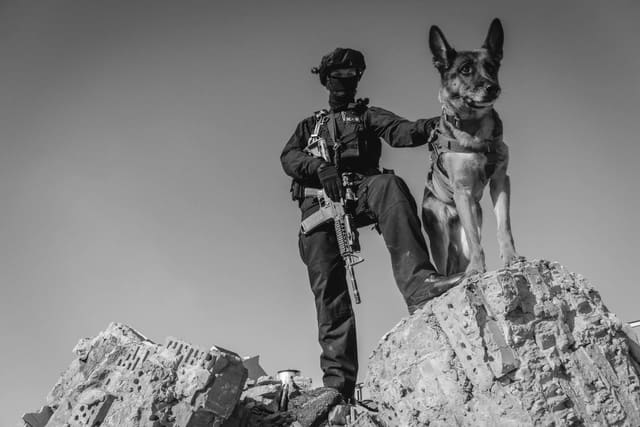
Know that required patrols happened, not simply that they were written down.
Overview
A signed patrol book proves very little. A guard patrol system with verified checkpoints, live tracking and missed-checkpoint alerts gives security companies and their clients an independent record that every round actually happened.
Most guarding contracts still rely on a patrol book, a signature and the client's trust. Supervisors cannot be at every property, so missed or rushed patrols go unnoticed until there is an incident. When something happens, the company cannot show where the guard was or which checkpoints were visited. A digital patrol system places NFC or QR checkpoints around each property. Guards scan them on a rugged phone during each round, and the system compares the patrol against the schedule in real time.
A security company patrols 30 residential estates overnight. At one estate, the 02:00 round is due to cover 14 checkpoints within 40 minutes. The guard scans 11, then stops moving near the guardhouse. When the round window closes, the system raises a missed-checkpoint alert to the control room, which calls the guard over push-to-talk. The guard reports a broken gate motor that needed attention, logs it as an incident with a photo and completes the remaining checkpoints. The estate manager's morning report shows the patrol, the delay, the reason and the incident, all time-stamped.
The challenge
A signed book does not show whether checkpoints were visited, or when.
Supervisors find out about skipped patrols only after something goes wrong.
When a client asks where the guard was, there is no reliable answer.
Managing patrol quality across many sites by visiting each one is impractical.
Operational flow
01
Place NFC or QR tags at the points each patrol must cover.
02
Set patrol routes, times and allowed windows for each property.
03
Guards scan each checkpoint on a rugged phone, recording time and location.
04
Missed checkpoints or late rounds alert the control room immediately.
05
Clients receive patrol completion reports with incidents and photos.
What operations can see
Operational impact
Who it's for
Show every client that patrols are completed as contracted.
Verify that night patrols cover every boundary and gate.
Ensure high-risk areas are checked on schedule.
Manage patrol quality across many properties from one screen.
Insight
A guard patrol system replaces trust with evidence. Missed rounds are caught as they happen, incidents are logged at the checkpoint, and clients see exactly what was delivered. Contracts are easier to retain and easier to win when patrol quality can be proven.
This use case is particularly relevant to Security environments, but the underlying operating model can also apply wherever distributed frontline teams, vehicles, assets or facilities need stronger visibility and accountability.
FAQ
A guard patrol system uses checkpoints, such as NFC or QR tags, placed around a property. Guards scan them during each round, creating a time-stamped record of the patrol that is checked against the schedule.
The system raises an alert to the control room or supervisor when a checkpoint is missed or a round runs late, so the gap can be followed up immediately.
Yes. Guards can log incidents with photos, notes and location at the checkpoint, which are added to the patrol record.
Yes. Clients can receive automated reports or dashboard access showing patrol completion, exceptions and incidents.

Tell us how your operation runs today and we'll show you what this looks like for your teams.