Large, busy aprons
Equipment is spread across stands and terminals and is hard to locate quickly.
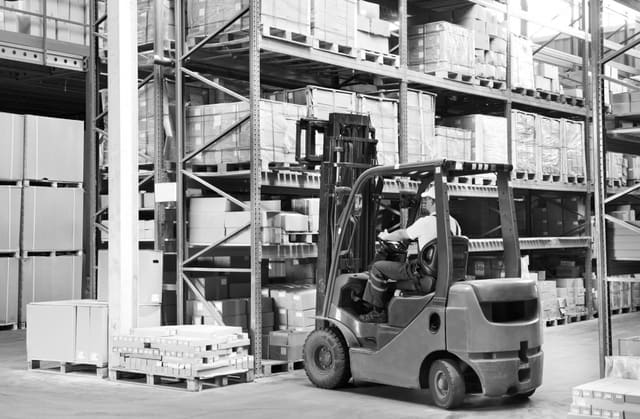
Find ground-support equipment across a busy airside environment.
Overview
Tugs, belt loaders, baggage carts and GPUs are spread across aprons, stands and maintenance areas. Ground support equipment tracking shows where every unit is and whether it is available, so turnaround teams get the right equipment to the right stand on time.
Airport turnarounds depend on the right equipment arriving at the stand at the right time. Ground handlers often have dozens or hundreds of units, many of which look identical, spread across large apron areas. Staff waste time searching for available equipment, units are left at remote stands, and maintenance is planned on calendar dates instead of usage. Tracking motorised equipment with GPS and non-motorised items with BLE tags gives operations a live map and an accurate picture of how equipment is used.
A narrow-body aircraft arrives early at a remote stand. The ramp coordinator checks the live map for an available belt loader and baggage tug, finds both parked 300m away at an adjacent stand and dispatches them immediately. Later, maintenance runs a report of engine hours by unit and schedules servicing for the five tugs with the highest use, instead of servicing the whole fleet on a fixed calendar. At the end of the week, utilisation data shows that 12 baggage carts are rarely used, and they are redeployed to a busier terminal.
The challenge
Equipment is spread across stands and terminals and is hard to locate quickly.
Searching for available equipment adds minutes to every turnaround.
Servicing ignores how much each unit is actually used.
Some units are overused while others sit idle.
Operational flow
01
GPS trackers on motorised units, BLE tags on carts and dollies.
02
See every unit's position and availability on the apron map.
03
Send the nearest available equipment to each stand.
04
Capture engine hours, movement and idle time automatically.
05
Use utilisation and hours to plan maintenance and fleet size.
What operations can see
Operational impact
Who it's for
Get equipment to stands faster and cut turnaround delays.
See how equipment is used across terminals and aprons.
Plan servicing on real usage data.
Right-size the equipment fleet based on utilisation.
Insight
GSE tracking makes the apron visible. Equipment reaches stands faster, maintenance is based on usage and the fleet is sized to real demand. Turnarounds become more reliable, and capital spending on new equipment is easier to justify or avoid.
This use case is particularly relevant to Aviation environments, but the underlying operating model can also apply wherever distributed frontline teams, vehicles, assets or facilities need stronger visibility and accountability.
FAQ
It is the use of GPS trackers and BLE tags on airport ground support equipment, such as tugs, belt loaders and carts, to show location, status and usage on a live map.
Yes. Baggage carts, dollies and other non-powered items can be tracked with battery-powered BLE tags detected by gateways around the apron.
Coordinators can see and dispatch the nearest available equipment instead of searching for it, which reduces delays at the stand.
Yes. Engine hours and usage are recorded automatically, so maintenance can be planned on actual use instead of fixed dates.

Tell us how your operation runs today and we'll show you what this looks like for your teams.